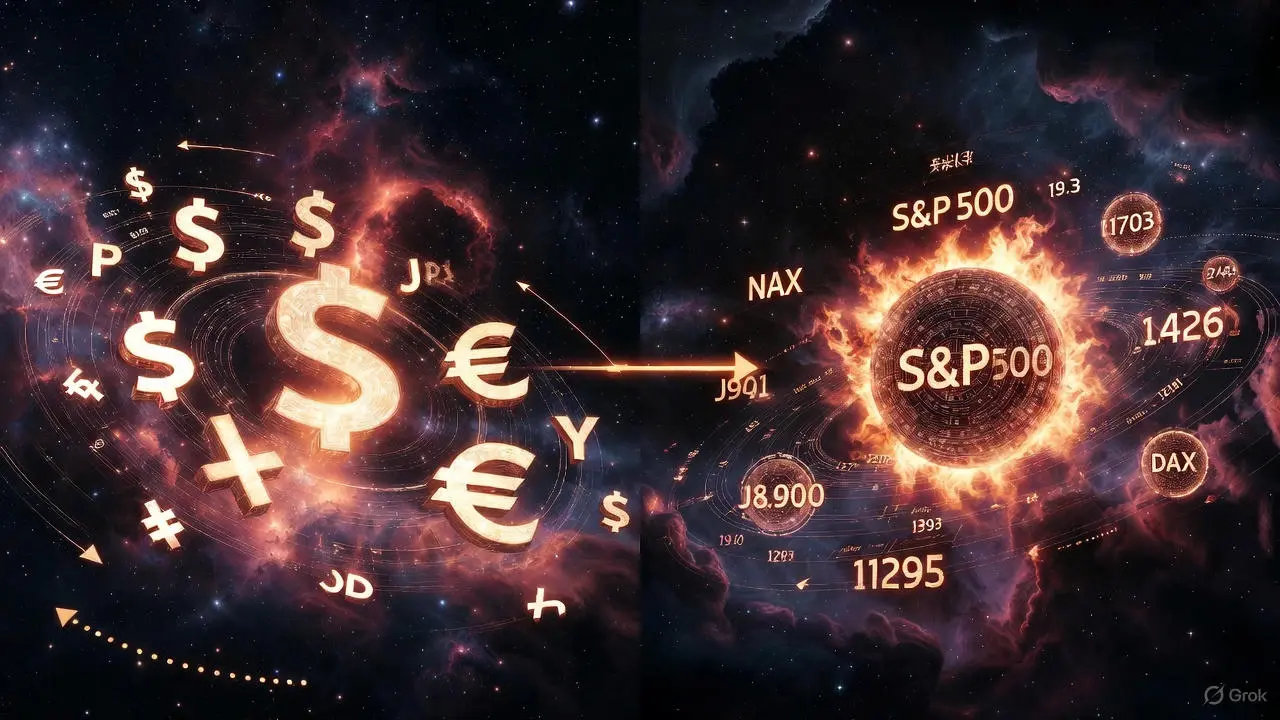
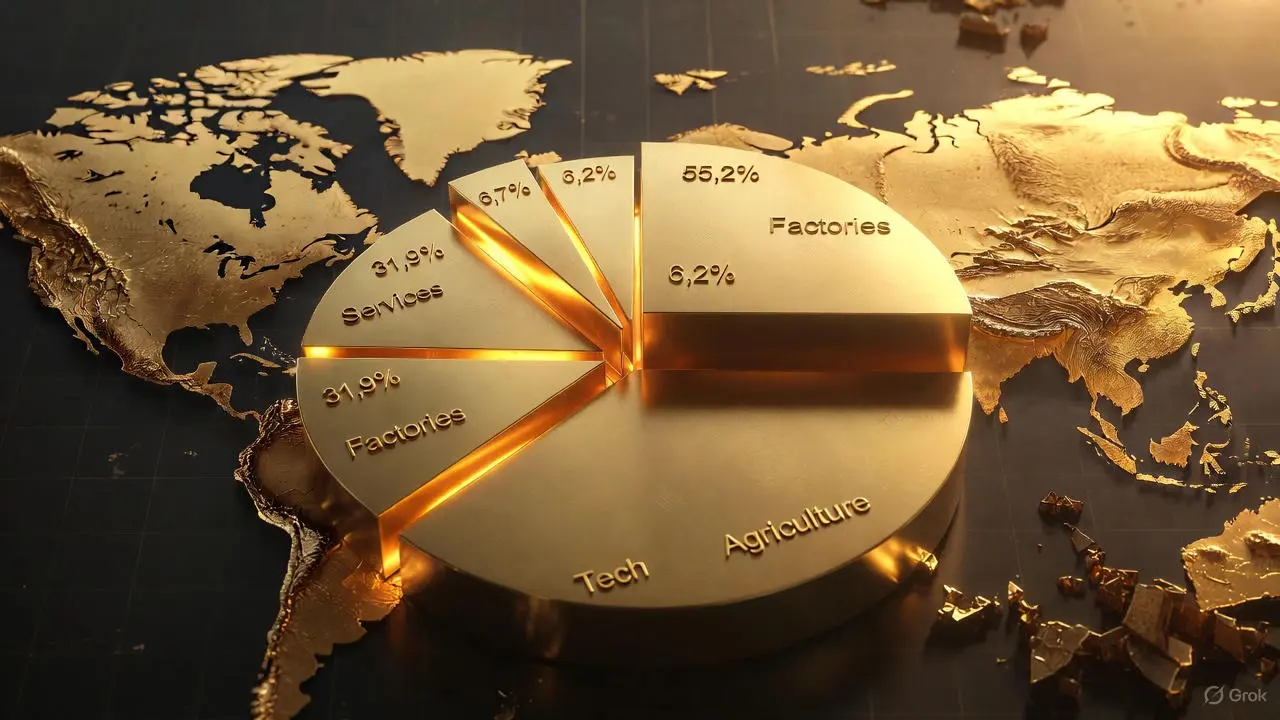
Every asset class—stocks, bonds, commodities, real estate, and currencies—moves through predictable phases over multi-year periods. These phases together form the global market cycle. While no two cycles are identical, their basic structure has remained remarkably consistent for over a century. Mastering this rhythm is one of the few genuine edges available to long-term investors and businesses.
Historical Context & Evolution
Market cycles predate modern finance. The Dutch tulip mania of the 1630s, the South Sea Bubble of 1720, and the 1929 crash all followed the same emotional pattern: optimism → euphoria → panic → despair → recovery.
The post-World War II era added new layers. Bretton Woods fixed exchange rates for decades, then its collapse in 1971 unleashed floating currencies and commodity volatility. The rise of global central banks, the growth of emerging markets, and the digital speed of information have made cycles shorter and more synchronised across borders than ever before.
Current Global Landscape
The global market cycle is driven by four interlocking forces: monetary policy, corporate earnings, investor psychology, and commodity trends. Central banks remain the primary conductor—cutting rates fuels expansions, raising them triggers slowdowns.
Emerging markets now play a much bigger role than in past cycles. Their demand for raw materials can extend commodity super-cycles, while their capital flow reversals can amplify global risk-off episodes. Technology and demographic shifts add new long-term overlays that can stretch or compress traditional timing.
Key Drivers and Mechanics
The classic cycle has four distinct phases.
Expansion begins when monetary policy is accommodative and confidence returns. Credit grows, risk appetite rises, and economic activity accelerates.
Peak arrives when growth is strong but capacity constraints appear—inflation rises, central banks tighten, valuations become stretched.
Contraction follows as higher rates bite, earnings disappoint, and investors rush for the exits.
Trough is the painful bottom where fear dominates, assets trade at deep discounts, and policy eventually turns supportive again.
Each phase feeds the next through feedback loops: cheap money → higher asset prices → wealth effect → stronger spending → tighter policy → reversal.
Regional Impact
Advanced economies usually lead the cycle because their central banks set global liquidity conditions. The US Federal Reserve remains the most influential player—its rate decisions ripple everywhere.
Emerging markets often experience amplified versions of the same cycle. Easy global money floods in during expansion, pushing currencies and assets higher. When the Fed tightens, capital exits rapidly, currencies crash, and recessions hit harder. Commodity exporters ride massive booms and busts tied to the global demand pulse.
Risks and Challenges
The biggest risk is mis-timing policy. Central banks that tighten too late create bubbles; those that tighten too early cause unnecessary recessions.
Another modern danger is over-synchronisation. When every major economy follows similar low-rate policies, the eventual reversal becomes more violent. Debt levels also matter—high leverage shortens expansions and deepens contractions because borrowers are forced to deleverage quickly.
Future Outlook
Several structural changes will shape coming cycles. Ageing populations in rich and large emerging countries will reduce growth potential and keep real rates lower for longer. Climate transition and geopolitical fragmentation will create new commodity super-cycles.
Technology and AI may increase productivity enough to extend expansions, but also risk creative destruction that triggers sharper corrections. The growing influence of passive investing and algorithmic trading can exaggerate both euphoria and panic phases.
Practical Implications for Investors and Businesses
Success comes from recognising where we are in the cycle rather than predicting exact turning points.
During expansion: favour equities, real estate, emerging markets, and cyclical commodities.
At peak: reduce risk, raise cash, shorten duration in bonds.
During contraction: move aggressively into defensive assets—government bonds, gold, defensive stocks, dollar.
At trough: buy quality assets at distressed prices for the next upswing.
Businesses should match capital spending and hiring to the phase—expand aggressively early in recovery, preserve cash and cut costs when warning signals appear.
Conclusion
The global market cycle is not a theory; it is an observable, recurring pattern rooted in human psychology and policy feedback loops. While exact timing remains impossible, the phase is usually recognisable to those who look at the right indicators. Investors and companies that respect the cycle rather than fight it dramatically improve their odds of long-term survival and outperformance.
FAQ
Q. How long does a full global market cycle usually last?
A. Typically 7-12 years from trough to trough, though monetary policy and external shocks can shorten or stretch it.
Q. Which indicator best signals we are near a peak?
A. A combination of inverted yield curves, record-high valuations, and central banks actively tightening.
Q. Are emerging markets always riskier in every cycle?
A. They amplify moves in both directions—bigger gains in expansion, deeper pain in contraction.
Q. Can central banks abolish the cycle?
A. No. They can smooth and extend phases, but debt buildup and psychology eventually force correction.
Q. What should retail investors do at market peaks?
A. Reduce equity exposure gradually, increase cash and fixed-income duration, avoid leverage.
Q. Will the next cycle be milder because rates are low?
A. Not necessarily. Low starting rates limit central banks’ ability to ease when trouble hits, potentially making recessions sharper.