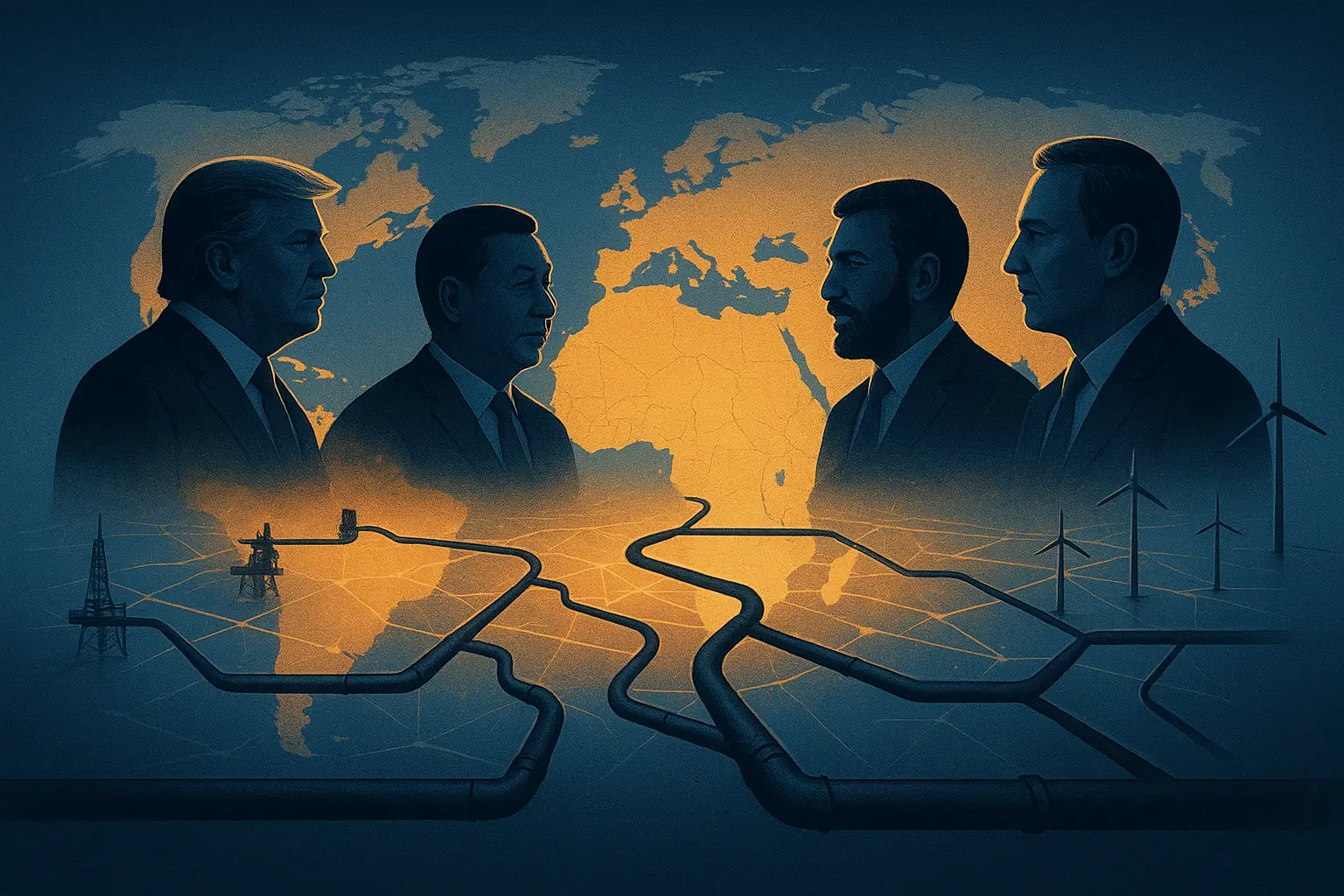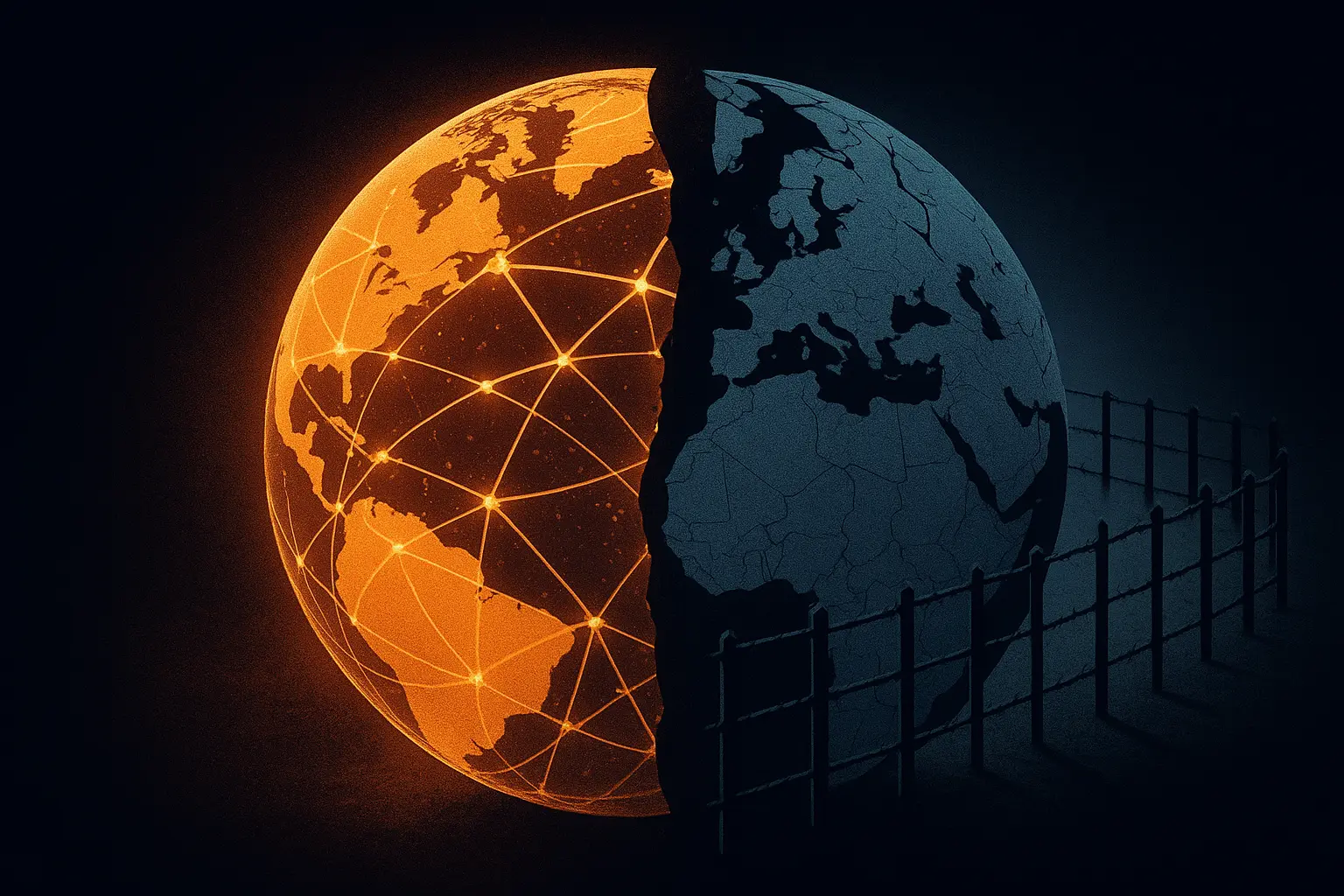
When major economies launch trade wars, headlines focus on the direct combatants—giant tariffs between the US and China, European carbon border taxes, or subsidy battles over semiconductors. Yet the countries that usually suffer the most collateral damage are the developing nations caught in the middle. These economies depend on open trade, stable commodity prices, and foreign investment. When great powers start closing doors, the fallout for poorer nations can be deeper and longer-lasting than for the countries actually firing the shots.
Historical Context & Evolution
History is brutally consistent. The Smoot-Hawley tariffs of 1930 turned a US recession into a global depression by crushing exports from Latin America and Asia. The 1980s debt crisis was made far worse when industrial countries raised protectionist barriers, collapsing commodity prices and export earnings for Africa and Latin America.
The 2018-2020 US-China trade war repeated the pattern on a larger scale. While both giants absorbed the pain, smaller nations in Southeast Asia, Africa, and Latin America saw export orders vanish overnight, currencies plunge, and debt burdens explode as dollar borrowing costs spiked.
Current Global Landscape
Developing nations now account for over 40 % of world trade, up from 25 % two decades ago. Most remain heavily specialised: some export commodities, others low-cost manufactures or tourism services. Very few have diversified enough to withstand sudden closure of major markets.
At the same time, global value chains mean many act as middlemen—Vietnam assembles phones, Bangladesh makes garments, Kenya grows flowers—all ultimately destined for consumers in the US, Europe, or China. When end-markets impose tariffs or consumers tighten belts, the shock travels straight down the chain.
Key Drivers and Mechanics
Trade wars hurt developing nations through five brutal channels.
- First, demand destruction: tariffs reduce imports into rich countries, directly cutting orders for clothing, electronics, and agricultural goods.
- Second, commodity price collapse: slower global growth crushes oil, metals, and food prices, devastating exporters from Nigeria to Chile.
- Third, currency depreciation: capital flight and higher risk premiums send local currencies into freefall, making dollar-denominated debt impossible to service.
- Fourth, investment freeze: multinational companies delay or cancel factory projects when trade rules become unpredictable.
- Fifth, policy space shrinks: governments that once used export earnings to fund health or education suddenly face brutal austerity or IMF programmes.
Regional Impact
Effects vary by region but are uniformly harsh. Southeast Asia’s factory economies lose orders when US or European tariffs rise. Sub-Saharan Africa and parts of Latin America suffer twin blows—falling commodity prices and reduced aid budgets as rich countries turn inward.
South Asia’s garment and textile exporters face ruin when Western buyers demand lower prices to offset their own tariff costs. Even “winners” like Vietnam or Mexico that gain from supply-chain relocation often see the gains wiped out by broader growth slowdowns and currency turmoil.
Risks and Challenges
The biggest danger is the inequality amplifier. Trade wars push millions back into poverty by raising food and fuel import bills while destroying formal-sector jobs. Debt distress spreads rapidly—many countries entered recent trade conflicts already borrowing at punitive rates.
Another risk is forced side-taking. Developing nations get pressured to align with one bloc or another, losing market access whichever way they turn. Retaliatory “beggar-thy-neighbour” policies among poorer countries themselves can make a bad situation catastrophic.
Future Outlook
Trade wars are becoming the new normal rather than temporary shocks. Carbon border taxes, national-security restrictions, and industrial-policy subsidies will keep global commerce fragmented.
Developing nations face a stark choice: accelerate painful diversification into higher-value goods and services, build regional trade blocs as buffers, or remain permanently vulnerable to decisions made in Washington, Brussels, and Beijing. The countries that invest early in education, infrastructure, and governance will suffer least; those that stay commodity-dependent or low-cost assembly platforms will keep paying the highest price.
Practical Implications for Investors and Businesses
Investors should treat trade-war exposure as a systematic risk like interest rates or oil prices. Countries with large US or EU export shares, heavy dollar debt, and low foreign reserves are most fragile.
Companies operating in developing markets must build currency hedges, diversify customer bases across blocs, and keep production footprints flexible. The winners will be firms that can shift sourcing quickly when one market closes and another opens.
Conclusion
Trade wars between giants are never contained. Developing nations pay a disproportionately heavy price through lost growth, higher poverty, exploding debt, and reduced policy freedom. History shows the damage can last a decade or more—far longer than the actual tariffs themselves. The only real defence is reducing dependence on any single market or commodity, a painful but increasingly urgent transformation for the entire developing world.
FAQ
Q. Which developing region suffers most from trade wars?
A. Southeast Asia’s export manufacturers and commodity-dependent Sub-Saharan Africa usually take the hardest hits.
Q. Do some developing countries actually benefit?
A. A few near-shore or “friend-shore” locations gain temporarily from relocation, but broader growth slowdowns often erase those gains.
Q. Why does the currency crash so violently?
A. Capital flight plus falling export earnings destroy confidence; investors rush to dollars for safety.
Q. Can regional trade blocs protect poorer nations?
A. Yes—Africa’s AfCFTA, ASEAN, or Mercosur can reduce dependence on rich-country markets if implemented properly.
Q. How long do the negative effects last?
A. Typically 5-10 years. Lost education, investment, and institutional damage have very long tails.
Q. What should developing countries do right now?
A. Diversify exports, reduce dollar debt, build reserves, and invest in skills and infrastructure—there is no quick fix.